Top Signs Your Generator Needs Maintenance Now
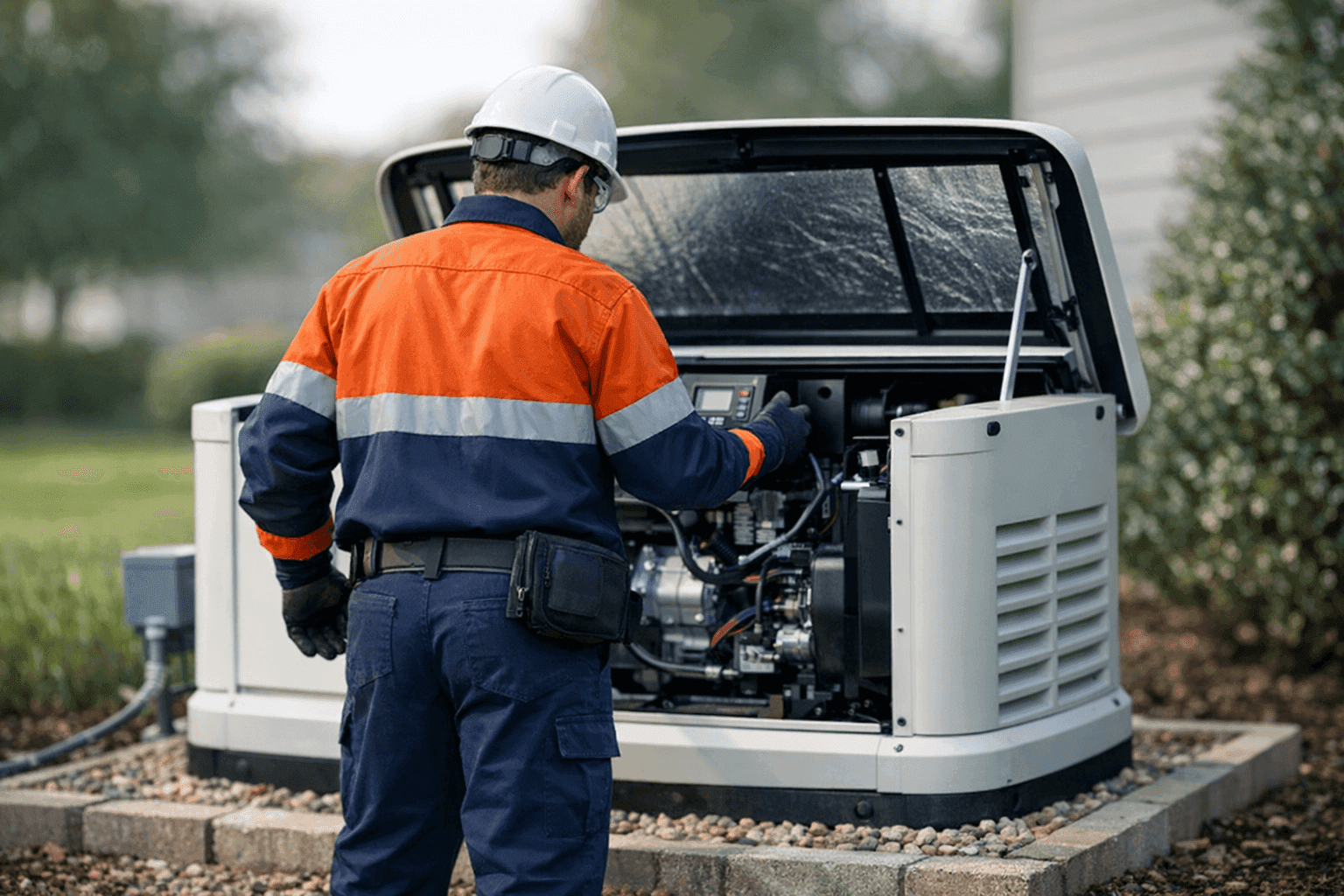
If your power goes out tonight, will your generator be ready? Or are there warning signs hiding in plain sight? For both homes and businesses, a generator isn’t just a backup—it’s peace of mind. But when maintenance is overlooked, that peace can vanish in a blink.
At Brama Cooling, we understand how important reliable power is. That’s why we help property owners spot trouble before it turns into costly downtime or a safety risk. Let’s walk through what you need to know.
Why Generator Maintenance Is Essential 🛠️
Think of your generator like the spare tire in your trunk. When you need it, it must work. But if you leave it neglected, rubber cracks and pressure drops. Just like that tire, a generator that sits unused for months (or years) can let you down at the worst time.
Routine maintenance keeps your generator healthy, safe, and ready to power your life—or your business—without a hiccup. According to the National Fire Protection Association (NFPA 110), scheduled inspections and tests are key for all standby power systems. Skipping these steps can put your safety and property at risk.
Common Warning Signs You Can’t Ignore
How do you know your generator is quietly asking for help? Watch (and listen) for these red flags:
- Strange Noises: Clicking, banging, grinding, or rattling often point to underlying issues—loose parts or failing components.
- Startup Struggles: Does the generator hesitate, stall, or fail to start altogether? That’s a big clue something’s wrong.
- Visible Wear: Cracked belts, leaking fluids, corroded terminals, frayed wires, or rust mean it’s time to act.
- Error Messages or Warning Lights: Modern generators display codes or flash warning lights if something is off. Don’t ignore them.
- Excess Vibration or Unusual Smells: Shaking or a strong fuel odor could signal mechanical or fuel system trouble.
If you notice even one of these, it’s time to schedule a checkup.
What Professional Maintenance Includes
When you call in a certified generator technician from Brama Cooling, here’s what you can expect:
- Full system inspection (fuel, oil, coolant, battery, and electrical connections)
- Cleaning or replacing air and fuel filters
- Oil and coolant changes according to manufacturer’s specs
- Testing startup and shutdown cycles
- Checking for leaks, corrosion, or blocked vents
- Verifying control panel, safety devices, and transfer switch operation
- Running the generator under load to ensure performance
Following industry standards, such as those from the Electrical Generating Systems Association (EGSA), helps keep your system compliant and reliable.
Preventing Emergency Failures
A neglected generator is like a locked door with a hidden crack—it gives a false sense of security. Regular maintenance is your insurance policy against sudden blackouts, spoiled food, or lost business.
- Test monthly: Run your generator under load for 15-30 minutes.
- Inspect visually every few weeks: Look for leaks or damage.
- Schedule professional service twice a year: Spring and fall are ideal.
- Keep logs: Note every test, error message, and service call.
A little attention now can prevent big headaches later.
Quick Safety Checklist Before Every Storm
Before severe weather rolls in, take five minutes to:
- Check the fuel level and type.
- Make sure nothing blocks the exhaust vents.
- Confirm error lights or alarms are off.
- Listen for odd sounds during a brief test run.
If anything seems off, put safety first—call a pro.
DIY vs. Call a Pro: Where’s the Line?
You can check for obvious leaks or read the control panel. But anything involving wiring, fuel lines, or internal repairs? Leave it to trained, certified technicians.
Why? Because modern generators have complex electronics and safety systems. Tinkering without the right tools or know-how can void warranties, cause injury, or even spark a fire.
What Pros Do On Arrival
When a Brama Cooling technician arrives, they don’t just “look under the hood.” Here’s what happens:
- Review your generator’s maintenance history
- Inspect and test each component methodically
- Use diagnostic equipment to read error codes and system health
- Replace worn parts using manufacturer-approved materials
- Run the generator and transfer switch through real-world scenarios
You get a full report, so you know exactly where you stand.
Seasonal Considerations for Generator Care
Generators work harder in extreme conditions. Before summer heatwaves or winter storms, schedule a professional tune-up. Humidity, dust, and temperature swings can all speed up wear—especially for businesses with critical cooling needs.
Common Mistakes That Lead to Failure
- Ignoring minor warning lights or noises
- Forgetting scheduled maintenance
- Using the wrong type or old fuel
- Skipping annual battery tests
- Blocking ventilation with boxes or debris
Avoid these, and you’re already ahead of the curve.
When It’s an Emergency
If your generator won’t start during an outage, smells of fuel, or trips your breakers repeatedly—call for 24 hour emergency service immediately. Power failures can risk health, safety, or business operations. Don’t wait.
Costs & Downtime: What to Expect
Routine maintenance is far less expensive than emergency repairs or replacement. Most service visits finish in one to two hours and won’t disrupt your day. For larger commercial sites, the team works with your schedule for minimal downtime.
Timeline & Disruption
A typical residential service call is quick and tidy. For larger commercial generators, allow for extra time—the tech will need to test under load and may coordinate with your site manager.
Materials and Equipment Used
Professionals come equipped with:
- OEM filters and fluids
- Diagnostic scanners
- Safety gear (gloves, goggles)
- Cleaning supplies
- Replacement belts, batteries, and fuses
No guesswork. No cutting corners.
What If My Generator Needs Replacement?
Sometimes, parts wear out for good. If your unit is over 10 years old, needs repeated repairs, or can’t power your needs, it might be time for an upgrade. Our Generator Installation team can advise on the best options for your property.
How Certified Technicians Make the Difference
Choosing a certified technician isn’t just about skills—it’s about safety, code compliance, and peace of mind. All Brama Cooling staff follow up-to-date safety codes (NFPA 110, NEC) and manufacturer guidelines. That means your generator is serviced right, every time.
Regular Testing: The Unsung Hero
Just like you wouldn’t trust a smoke alarm you never test, don’t assume your generator will work if you never run it. Monthly test runs—combined with professional care—are your best defense against surprise failures.
Your Next Steps
Spot any of these warning signs? Want to book a thorough checkup? Brama Cooling is here for both homes and businesses, offering reliable Generator Maintenance and installation solutions.
If you’re searching for cooling specialists or Generator Installation in Sparks, our certified team is ready to help.
Call Brama Cooling now — or reach us anytime at 888-840-5035 .