How to Tell If Your Home Needs a Dehumidifier
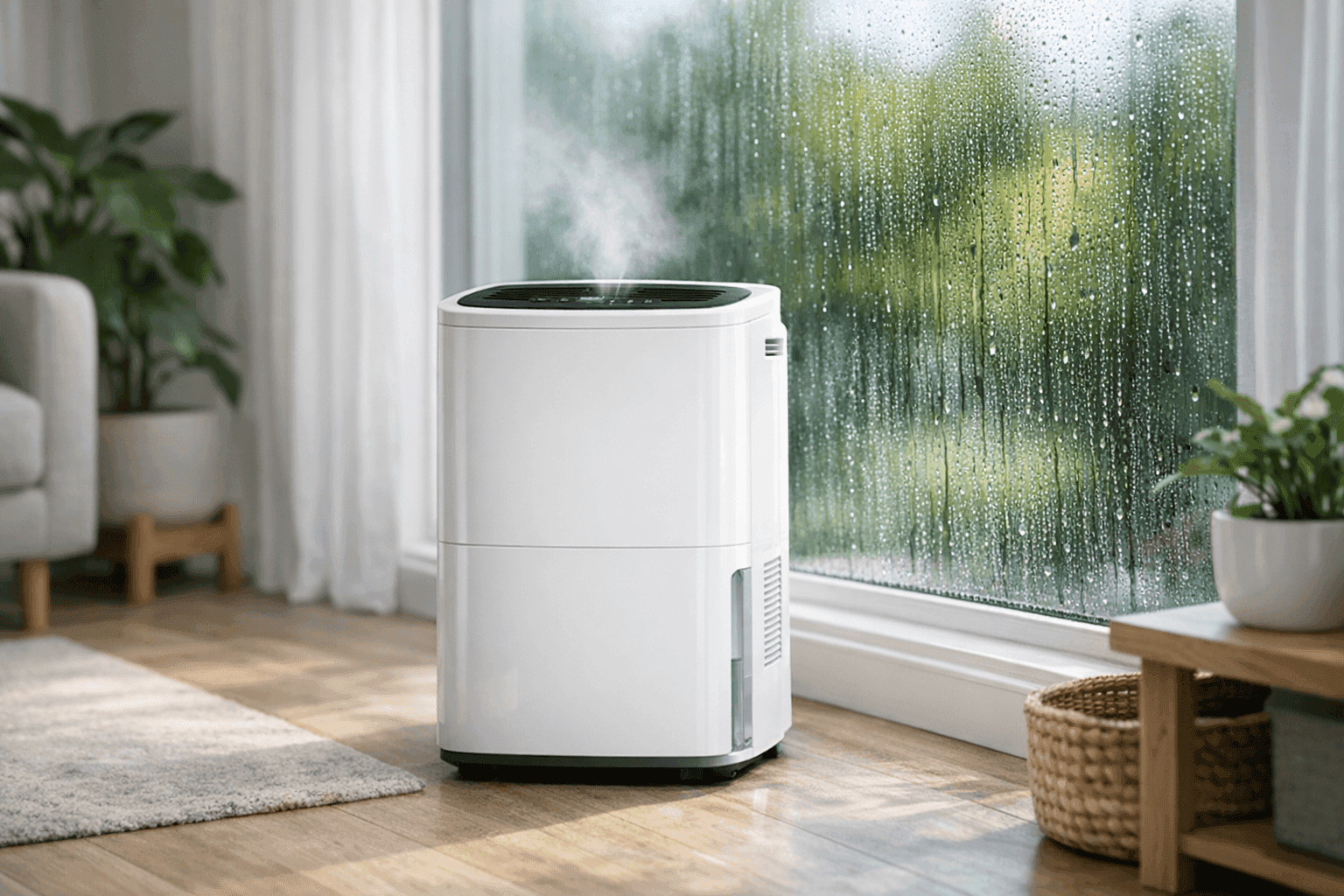
Does your home ever feel muggy, even when the AC is running? Maybe you’ve noticed musty smells, or your windows are sweating like cold lemonade on a summer day. Dampness isn’t just uncomfortable—it can quietly chip away at your health, your comfort, and even your home’s structure.
At Brama Cooling, we know that humidity issues don’t always shout for attention. Sometimes the warning signs are subtle. But catching them early can save you hassle, money, and a lot of sneezing. Let's break down what you need to look for—and what to do next.
Why Humidity Is a Problem
Humidity in your home is like an uninvited guest that overstays its welcome. It sneaks in from showers, cooking, breathing, even the ground beneath your feet. And when indoor moisture climbs above 60%, the trouble starts.
- Health risks: Mold, dust mites, and bacteria love humidity. The EPA warns that poor indoor air quality can worsen allergies, asthma, and respiratory issues.
- Home damage: Moisture seeps into walls, softens wood, peels paint, and encourages mold. Over time, the very bones of your house can feel the strain.
- Comfort: High humidity makes it feel hotter, even when your thermostat says otherwise. Your AC works harder, your energy bills inch upward, and that sticky feeling just won’t go away.
EPA and manufacturer guidelines agree: keeping indoor humidity between 30% and 50% is ideal for both health and home.
Common Signs You Need a Dehumidifier
Recognizing the clues early can make all the difference. Here’s what to watch for:
- Window condensation: Do your windows fog up or collect droplets, especially in the morning? This “sweating” means warm, moist air is hitting cool glass—a classic sign of excess humidity.
- Musty odors: If your home smells like damp towels or a forgotten basement, mold and mildew might be lurking out of sight.
- Allergy symptoms: More sneezing, coughing, or itchy eyes at home? Excess moisture fuels allergens.
- Visible mold: Black, green, or white spots on walls, ceilings, or around vents aren’t just ugly—they can be dangerous.
- Warped wood or peeling paint: Doors stick, floors ripple, and paint bubbles or flakes. Moisture is quietly at work.
- Sticky indoor air: That heavy, clammy feeling when you walk in? It’s not just uncomfortable—it’s a warning.
- Frequent dust mite problems: These microscopic pests thrive in humid conditions and can trigger allergies.
If you’ve noticed any of these signs, your home is telling you something important.
How to Choose the Right Size
A dehumidifier isn’t a one-size-fits-all solution—think of it like picking the right size umbrella for a storm. Too small, and you’ll still get wet. Too big, and you’ll waste energy.
Key factors to consider:
- Square footage: Measure the room or area you want to treat.
- Current humidity: How damp does it feel? A little, or a lot?
- Sources of moisture: Basements, laundry rooms, and bathrooms often need more power.
EPA recommendations:
- For moderately damp rooms (occasional musty smell, minor condensation): 10 pints for 500 sq ft, adding 4 pints for each additional 500 sq ft.
- For very damp or wet spaces (constant condensation, visible moisture): Start with 12–16 pints for 500 sq ft and scale up.
Check your dehumidifier’s manufacturer guidelines for specifics, and remember: Brama Cooling’s team can help size and install the best fit for your home or business.
DIY vs. Professional Solutions
Should you try to solve humidity problems yourself, or call in the pros? 🤔
When DIY Makes Sense
- Small areas: Portable dehumidifiers work well for single rooms or minor issues.
- Routine maintenance: Cleaning filters, emptying water buckets, and checking for leaks can be handled on your own.
- Quick fixes: Running exhaust fans in the kitchen or bathroom, or opening windows on dry days, helps control moisture.
When to Call Brama Cooling
- Widespread issues: If every room feels damp, or you spot mold in multiple places, it’s time for a bigger solution.
- Hidden moisture: Musty smells with no obvious source could mean moisture behind walls or under floors.
- System upgrades: Whole-home dehumidifiers, integrated with your HVAC, require professional installation and balancing.
- IAQ testing: Brama Cooling offers indoor air quality testing to pinpoint the problem before recommending solutions.
A professional can also check for ventilation issues, air balancing needs, or even recommend a home energy audit to track down the sources of excess moisture.
Quick Safety Checklist
- Electrical safety: Never use a dehumidifier with a damaged cord or in standing water.
- Drainage: Make sure the unit drains properly—overflow can create new problems.
- Filter maintenance: Change or clean filters as the manufacturer suggests to keep air clean and systems running smoothly.
- Read the manual: Every dehumidifier is a little different. Follow manufacturer safety and maintenance tips closely.
What the Pros Do When They Arrive
When Brama Cooling arrives, we don’t just drop off a unit and leave. Our approach:
- Assessment: We measure humidity levels, inspect for mold, and evaluate airflow.
- Sizing: We recommend the best dehumidifier for your specific needs—no guesswork.
- Installation: We place and balance the unit so it works with your cooling and ventilation, not against it.
- Follow-up: We show you how to maintain your dehumidifier and monitor for future issues.
Prevention & Maintenance Tips
Keeping humidity in check is a year-round job. Here’s how to stay ahead:
- Ventilate: Use exhaust fans in bathrooms, kitchens, and laundry rooms.
- Seal leaks: Check windows, doors, and foundations for gaps where moist air sneaks in.
- Maintain HVAC: Schedule regular Indoor Air Quality to ensure your system circulates and conditions air properly.
- Clean gutters: Water pooling around your home’s foundation can seep inside.
- Monitor humidity: Use a simple hygrometer to keep tabs on indoor moisture.
Costs & Time Factors
The cost of a dehumidifier depends on the size, type, and features you need. Portable units are affordable and fast to set up. Whole-home dehumidifiers cost more but treat the entire space and often save energy long-term.
Installation by a professional usually takes a few hours. Maintenance costs are minimal—mostly filter changes and occasional checkups.
When It’s an Emergency
Sometimes, humidity issues become urgent—like after a flood, major leak, or sudden mold outbreak. In these cases:
- Act fast: Mold can grow in as little as 24–48 hours.
- Contact Brama Cooling: We offer 24-hour emergency service for residential and commercial clients.
- Protect valuables: Move sensitive items away from damp areas if possible.
FAQ: Your Humidity Questions Answered
How can I tell if humidity is the real problem?
Try using a hygrometer. If readings are consistently above 60%, it’s time to take action.
Will a dehumidifier fix musty smells?
Yes—by removing excess moisture, you cut down on mold and mildew, which cause those odors.
Can I use a dehumidifier with my AC?
Absolutely. In fact, they often work best together. The AC cools; the dehumidifier dries.
Are dehumidifiers loud?
Most modern units are quiet, especially whole-home models installed by professionals.
Will it help my allergies?
Lowering humidity reduces dust mites, mold, and other irritants—great news for allergy sufferers.
Seasonal Considerations
Humidity isn’t just a summer problem. In places with wet springs, rainy autumns, or snowy winters, moisture can sneak in year-round. Pay attention after storms, during thaws, or whenever you notice changes in comfort.
Common Mistakes to Avoid
- Ignoring early warning signs: Don’t wait until you can see mold or feel water on the walls.
- Using the wrong size unit: An undersized dehumidifier will run constantly and still leave air clammy.
- Skipping maintenance: Dirty filters and clogged drains reduce efficiency and can create new problems.
- Blocking vents: Good airflow is key. Don’t pile furniture or boxes in front of vents and returns.
Timeline & Disruption
Most installations are done in half a day. Portable units can be up and running in minutes. Whole-home systems may require a bit more setup, but disruption is minimal—and the long-term comfort is worth it.
Materials & Equipment
We use only manufacturer-recommended dehumidifiers, filters, and accessories. All installations follow EPA and industry best practices for safety, efficiency, and performance.
Recognize and Solve Humidity Issues—With Confidence
If you’re still not sure if a dehumidifier is right for you, remember: humidity problems rarely fix themselves. With a little attention, you can protect your home, your health, and your comfort.
You can always reach out to Brama Cooling for advice, installation, or maintenance—whether you’re looking to improve Indoor Air Quality or need help choosing the right solution.
Call Brama Cooling now — or reach us anytime at 888-840-5035 .