The Truth About Duct Cleaning: Myths and Facts
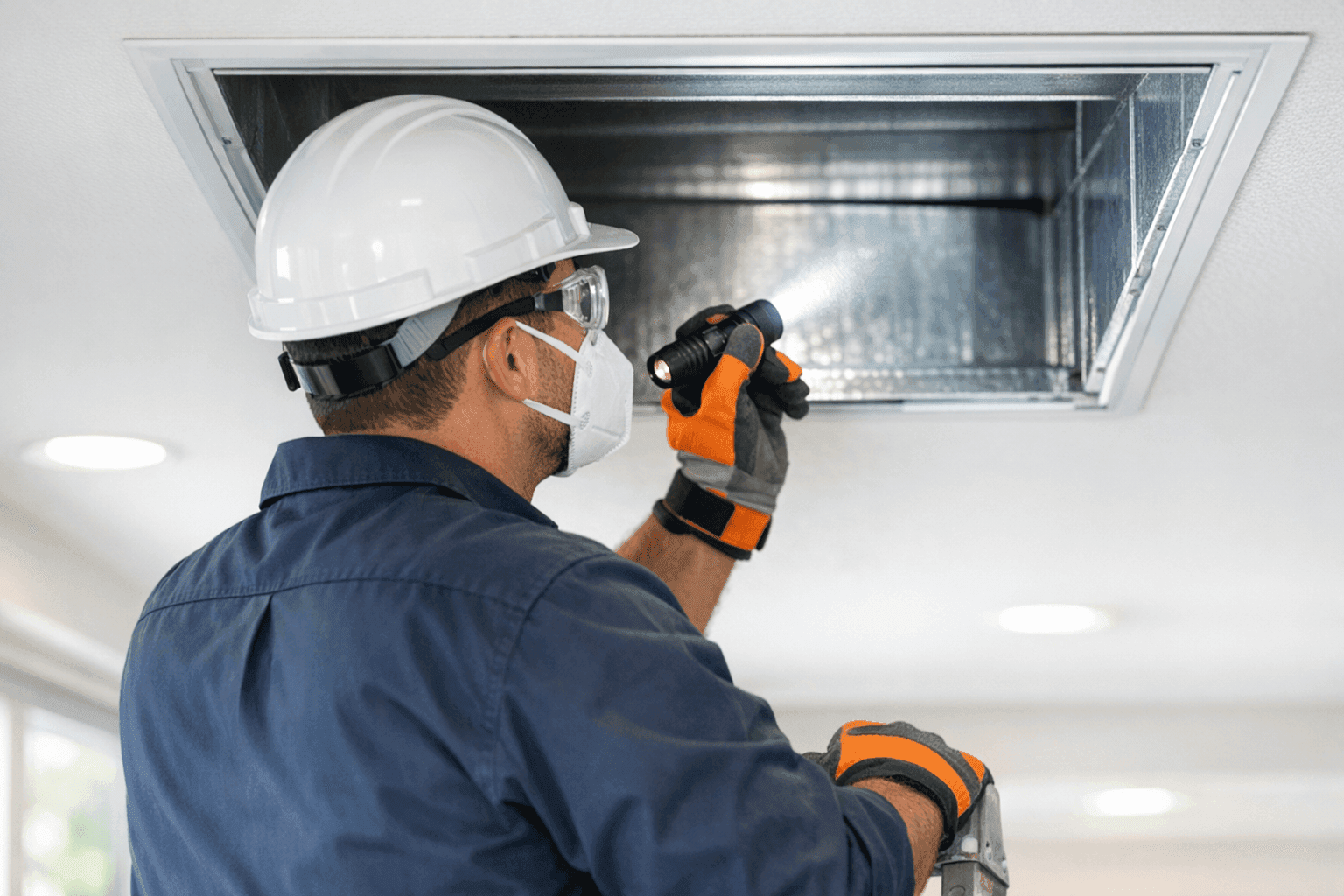
When was the last time you thought about the air moving through your home or business? For most people, ductwork is out of sight and out of mind—until allergies flare up or dust seems endless. At Brama Cooling, we meet folks every week who want clear, honest answers about duct cleaning.
The problem? There’s a jungle of myths, half-truths, and questionable advice out there. Let's set the record straight with what really matters for your air, health, and comfort.
Common Myths About Duct Cleaning
Rumors swirl around duct cleaning like leaves in a fall breeze. Here are the most persistent myths—and the facts that cut through the confusion. 🕵️♂️
- Myth 1: Duct cleaning is vital every year.
- The EPA and NADCA (National Air Duct Cleaners Association) agree: Most duct systems don’t need annual cleaning. Instead, focus on specific signs and situations.
- Myth 2: Duct cleaning will solve all dust and allergy problems.
- Dust comes from everywhere—floors, furniture, pets—not just ducts. Cleaning helps, but it's not a cure-all.
- Myth 3: Duct cleaning improves cooling system efficiency drastically.
- Only in extreme cases—say, after construction or pest infestations—does cleaning move the needle on energy bills.
- Myth 4: All duct cleaning companies are the same.
- Some use the right methods; others just stir up more dust. NADCA certification and proper equipment matter.
What the Evidence Says
So, what does science say? The EPA offers clear advice: cleaning ducts is only necessary in certain situations. According to their guidelines, consider duct cleaning if:
- There is visible mold growth inside ducts or HVAC components.
- Ducts are infested with rodents or insects.
- Ducts are clogged with excessive dust and debris.
Regular filter changes and HVAC maintenance do much more for your indoor air quality than routine duct cleanings. Think of ducts like the arteries of your cooling system—they only need attention when there’s a real blockage, not just as a routine checkup.
When Duct Cleaning Is Needed
How do you know it’s time? Watch for these telltale signs:
- Visible mold: If you see or smell mold inside ducts or on other parts of your system, it’s time to act.
- Vermin or pests: Droppings, chewed insulation, or scratching noises mean you need professional help.
- Dust blowing out: If you notice puffs of dust when the system starts or rooms get dusty fast, ducts may be clogged.
Remember, “out of sight” doesn’t mean “out of mind.” If you’re unsure, our technicians can check things for you as part of an indoor air quality assessment.
Choosing a Trustworthy Provider
Not all duct cleaning services are created equal. Here’s how to avoid the scams and get real value:
- Look for NADCA certification: This ensures proper training and ethical practices.
- Demand a full inspection: A true pro will show you what’s inside your ducts with cameras or photos.
- Insist on source removal: The only method recognized by NADCA and the EPA involves removing debris at the source—not just spraying chemicals or using shop vacuums.
- Get a clear quote: Be wary of “blow-and-go” offers or high-pressure sales tactics.
Quick Safety Checklist Before You Book
- Ask about technician background checks.
- Make sure the company uses HEPA-filtered vacuums.
- Confirm they’ll protect your floors and furniture.
- Get details on what’s included—grills, registers, coils, etc.
What Pros Do On Arrival
When you call Brama Cooling, here’s what you can expect:
- Assessment: Our team checks your system, notes any problem areas, and explains what we find.
- Preparation: We seal off vents and protect your space from dust.
- Source removal: Using specialized tools, we remove debris deep inside the ducts.
- Final review: We show you before-and-after photos so you see the difference.
DIY vs. Professional Duct Cleaning
Could you do it yourself? Maybe you could clean the visible parts of vents or registers. But reaching deep into the ducts, safely capturing debris, and not damaging your system—that’s a job for trained technicians with commercial equipment. It’s like cleaning a chimney; best left to those with the right tools.
Prevention & Maintenance Tips
Want to keep ducts clean longer? Start with these habits:
- Change filters every 1–3 months, or as recommended.
- Keep furniture and vents dust-free.
- Schedule HVAC maintenance twice a year for optimal airflow.
- Address leaks or water issues fast to avoid mold.
Costs & Time Factors
Costs vary based on system size, accessibility, and the extent of cleaning needed. Most residential jobs take a few hours; commercial spaces may run longer. Be suspicious of prices that seem too good to be true—quality work takes time.
When It’s an Emergency
Some duct issues just can’t wait. If you spot mold, smell burning or musty odors, or suspect pests, call for 24-hour emergency service. Fast action protects your air and prevents bigger problems.
Seasonal Considerations
Spring and fall are the most popular times for duct cleaning—right before heavy use of your cooling or heating systems. This helps prevent dust circulation and prepares your system for the next big temperature swing.
Common Mistakes to Avoid
- Don’t let anyone cut unnecessary holes in your ducts.
- Avoid companies that rely only on fragrance sprays—these mask odors but don’t fix the cause.
- Never skip filter changes; it’s the easiest way to keep the system clear.
Signs of Trouble
- Rising energy bills with no clear cause.
- Constant dust on surfaces, no matter how often you clean.
- Uneven cooling, with some rooms stuffy or musty.
If you notice any of these, a duct inspection or cleaning could help.
Timeline & Disruption
A typical home duct cleaning takes 2–4 hours. Expect some noise and movement, but a professional crew minimizes mess and keeps things running smoothly. For businesses, we’ll work around your schedule to minimize downtime.
Materials and Equipment
Certified providers use high-powered vacuums, rotary brushes, and HEPA filters to capture and remove debris without releasing it into your space. Household vacuums or handheld tools simply can’t match this level of cleaning.
FAQ: Duct Cleaning Edition
Do I need duct cleaning if I just moved in? If the home was vacant, had pets, or recent renovations, consider a checkup.
Can duct cleaning help with allergies? It can help if allergens are present in the system, but regular cleaning and filtration matter more.
How often should I have ducts cleaned? Only as needed—when there are signs of buildup, mold, or pests.
Final Word: What Really Matters
Don’t be swayed by hard sells or scare tactics. Focus on real evidence, ask questions, and work with companies who are transparent about their process. Clean air ducts are part of a bigger picture—healthy, efficient cooling, and peace of mind.
If you’re searching for reliable duct cleaning or want to talk about cooling options, our team is here to help. Residents in the area can learn more about Indoor Air Quality and how it fits into your comfort plan.
Call Brama Cooling now — or reach us anytime at 888-840-5035 .