The Ultimate Guide to Indoor Air Quality for Allergy Sufferers
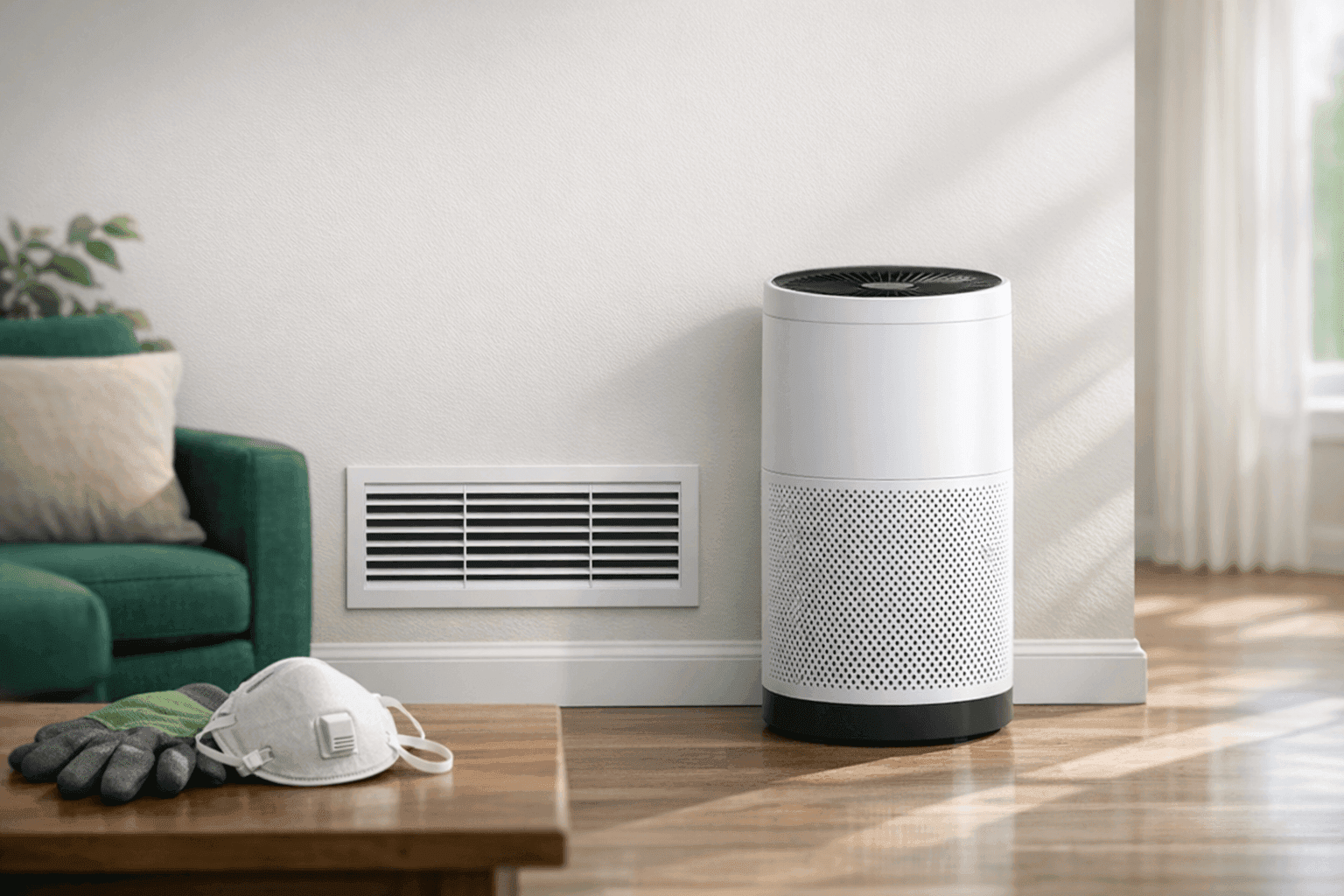
Allergy season isn’t just a few weeks in spring. For millions, it’s every day—indoors and out. You come home expecting relief, but sneezing and itchy eyes follow you through the door. Brama Cooling understands how relentless indoor allergies can be.
We help homes and businesses breathe easier. Our team knows the science behind air quality, and we’re committed to making your space a true haven—no matter the season.
Common Allergy Triggers Indoors 🤧
Allergens are stealthy. They drift in on shoes, float through vents, and lurk in the quietest corners. According to the Asthma and Allergy Foundation of America, the most stubborn indoor triggers include:
- Dust mites
- Pet dander
- Mold spores
- Pollen (yes, even indoors)
- Smoke and chemical fumes
If you’ve ever opened a window for “fresh air” and regretted it, you’re not alone. These tiny intruders love carpets, upholstery, and—most of all—poorly maintained HVAC systems.
How HVAC Impacts Allergies
Think of your HVAC system as the lungs of your home or business. When it’s healthy, you barely notice it. But if it’s neglected, every cough or sneeze feels magnified. Dirty filters, clogged vents, and unbalanced humidity make the perfect storm for allergy flare-ups.
Poor air circulation lets dust and pollen settle. Leaky ducts pull in attic grime and mold. And if your system’s filter hasn’t been changed in months? That’s like trying to breathe through a dust-covered scarf.
Best Practices for Reducing Allergens
Ready to draw a line in the sand against indoor allergies? Here are proven steps, backed by the Environmental Protection Agency (EPA) and leading allergy organizations:
- Change your filters—every 1 to 3 months.
- Vacuum regularly with a HEPA-filter vacuum.
- Use air scrubbers or purifiers to remove airborne particles.
- Keep humidity between 30-50% using humidifiers or dehumidifiers.
- Schedule professional duct cleaning to banish hidden dust and mold.
- Seal and balance air vents to keep airflow steady and even.
The right filters are especially powerful. High-efficiency particulate air (HEPA) filters trap up to 99.97% of tiny particles, from pollen to pet hair. If you’re curious about filter upgrades, Filters.
When to Upgrade IAQ Equipment
No two buildings are the same. Sometimes, a simple filter swap won’t cut it. How do you know when it’s time to invest in better indoor air quality (IAQ) gear?
- Persistent allergy symptoms even after cleaning.
- Visible mold or a musty smell.
- Frequent headaches or fatigue among family or staff.
- Older HVAC systems that can’t handle modern filters.
Upgrading could mean installing an air scrubber, balancing your ventilation, or opting for a new mini-split system with advanced filtration. If you’re unsure, our team can help assess your needs with indoor air quality testing.
Quick Safety Checklist for Allergy-Friendly Spaces
Before you relax, walk through these essentials:
- Check for water leaks (mold’s best friend).
- Ensure filters are the correct size and rating.
- Keep vents unblocked—don’t let furniture or clutter trap air.
- Test your thermostat for accurate temperature and humidity control.
- Inspect for unusual noises or odors when the HVAC runs.
DIY or Call a Pro?
Some fixes are simple. Anyone can swap a filter or run a dehumidifier. But deep duct cleaning, air balancing, and advanced filter installation? These are best left to certified technicians. The National Air Duct Cleaners Association (NADCA) recommends professional cleaning at least every three to five years for most homes and businesses.
If allergies don’t improve—or if your HVAC sounds like it’s gasping for breath—call in the pros.
What Brama Cooling Professionals Do on Arrival
When our team steps in, we:
- Inspect and test your HVAC and IAQ equipment.
- Recommend filter upgrades based on your allergy profile.
- Check for hidden mold or moisture issues.
- Balance your system for even airflow.
- Advise on air scrubbers, purifiers, and humidity control.
Our goal? To leave you breathing easier, with clear solutions—not just a temporary fix.
Prevention & Maintenance: Your Allergy Shield 🛡️
Routine care keeps allergens at bay. Here’s your year-round schedule:
Spring & Summer:
- Replace filters as pollen counts rise.
- Inspect AC coils and condensate lines for mold.
- Run dehumidifiers in damp basements or crawlspaces.
Fall & Winter:
- Clean vents before firing up the furnace.
- Use humidifiers to prevent dry air (a trigger for some asthma).
- Schedule a whole-house energy audit to spot insulation and airflow issues.
Costs & Time Factors
Improving IAQ isn’t just about buying new gadgets. Filter upgrades and duct cleaning are affordable first steps, often costing less than a monthly streaming service. Whole-system solutions (like air scrubbers or advanced purifiers) are an investment in long-term health.
Most upgrades or cleanings can be done in a day with minimal disruption. We’ll always walk you through options and timing—no surprises.
When It’s an Emergency
If you spot black mold, smell burning, or your system won’t turn on and allergies spike, act fast. These situations are more than inconvenient—they can be dangerous. Brama Cooling offers 24-hour emergency service for just these moments.
FAQ: Your Indoor Air Quality Questions Answered
How often should I change my filters if I have allergies?
At least every 1–2 months—more often in peak pollen season.
Do air purifiers really work?
Yes, especially HEPA and UV-C models. They remove particles and destroy some germs.
Can humidity make allergies worse?
Absolutely. High humidity fosters mold, while dry air irritates airways. Aim for 30–50%.
Is professional duct cleaning worth it?
For allergy sufferers, it can make a dramatic difference. NADCA and the EPA both endorse it for homes with pets, mold issues, or recent renovations.
Seasonal Considerations for Allergy Sufferers 🌱
Spring and fall bring bursts of pollen and spores. Winter means closed windows and dry, recycled air. Each season brings its own allergy challenges.
- Spring: Pollen, mold, and dust.
- Summer: High humidity and mold risk.
- Fall: Ragweed, dust from heating systems.
- Winter: Pet dander, dust mites thrive indoors.
Adjust your filter change schedule and humidity controls to match the season.
Common Mistakes That Make Allergies Worse
- Ignoring filter replacement schedules.
- Blocking vents with furniture.
- Over-humidifying in winter.
- Using low-quality filters.
- Skipping annual HVAC maintenance.
Don’t let these slip through the cracks. Healthy habits, backed by smart technology, make all the difference.
Signs Your System Needs Help
- Unexplained odors.
- Uneven cooling or heating.
- Rising energy bills.
- Frequent allergy flare-ups indoors.
If any of these sound familiar, your HVAC and IAQ setup might need a tune-up.
Timeline & Disruption: What to Expect
Most filter swaps or air scrubber installations are done in under an hour. Duct cleaning and whole-house fan upgrades take a few hours but rarely require you to leave the building.
Upgrades are scheduled to fit your routine—no need to upend your day.
Materials and Equipment: What Works Best
- HEPA filters for allergy-prone households.
- UV-C air purifiers to destroy bacteria and mold.
- Dehumidifiers for basements and humid zones.
- Humidifiers for dry, heated air.
- Whole-house fans for energy-efficient ventilation.
- Smart thermostats for precise control.
Quality matters. Choose equipment tested to meet American Society of Heating, Refrigerating and Air-Conditioning Engineers (ASHRAE) or EPA standards.
Create an Allergy-Friendly Space with Brama Cooling
You don’t have to fight allergies alone. Better indoor air quality is possible—with the right strategy, tools, and team. Whether you need advanced filters, a full air quality audit, or just advice, Brama Cooling is ready to help.
Looking for local solutions? Our cooling specialists in Pueblo are only a call away.
Call Brama Cooling now — or reach us anytime at 888-840-5035 .