What’s Involved in Professional Duct Cleaning?
Is your home or business starting to feel stuffy, even after a fresh filter change? Maybe you’ve noticed dust piling up faster than usual, or allergies that just won’t quit. You’re not alone. For families and businesses alike, indoor air can quietly become a breeding ground for dust, pollen, and unseen irritants. At Brama Cooling, we understand how vital clean, balanced airflow is to every room.
Let’s peel back the vent cover and see what professional duct cleaning really involves—and why it matters for your comfort, your equipment, and your air.
Why Ducts Need Cleaning
Air ducts are hidden highways, carrying cooled or heated air to every corner. Over time, though, these passages collect dust, pollen, pet hair, mold spores, and even the occasional lost toy. Like a riverbed slowly silted up, your ductwork can clog, making your system work harder and sending unwanted particles into your lungs.
- Homes with pets: More fur and dander means more debris in the ducts.
- Renovations or construction: Drywall dust and sawdust can sneak in and linger.
- Mold or moisture: Dampness creates a playground for mold inside the vents.
- Smoke, allergens, or unusual odors: These are warning signs that your system needs attention—fast.
According to the Environmental Protection Agency (EPA), duct cleaning is especially important if you see visible mold growth, notice vermin, or detect excessive dust blowing from vents.
Step-by-Step: The Professional Duct Cleaning Process 🛠️
Every reputable cooling contractor follows a methodical process, not just a quick vacuum and dash. Here’s what you can expect from professionals like Brama Cooling:
1. Initial Inspection
Before touching a tool, technicians inspect your HVAC system. They check for dust, debris, signs of mold, and even leaks or damage. Cameras or mirrors help them see deep into the ductwork, ensuring nothing is missed.
2. Sealing and Protecting
Before any cleaning begins, all supply and return registers are sealed. This keeps loosened dust from escaping into your rooms. Protective coverings are placed over floors and furniture near vents.
3. Powerful Vacuuming
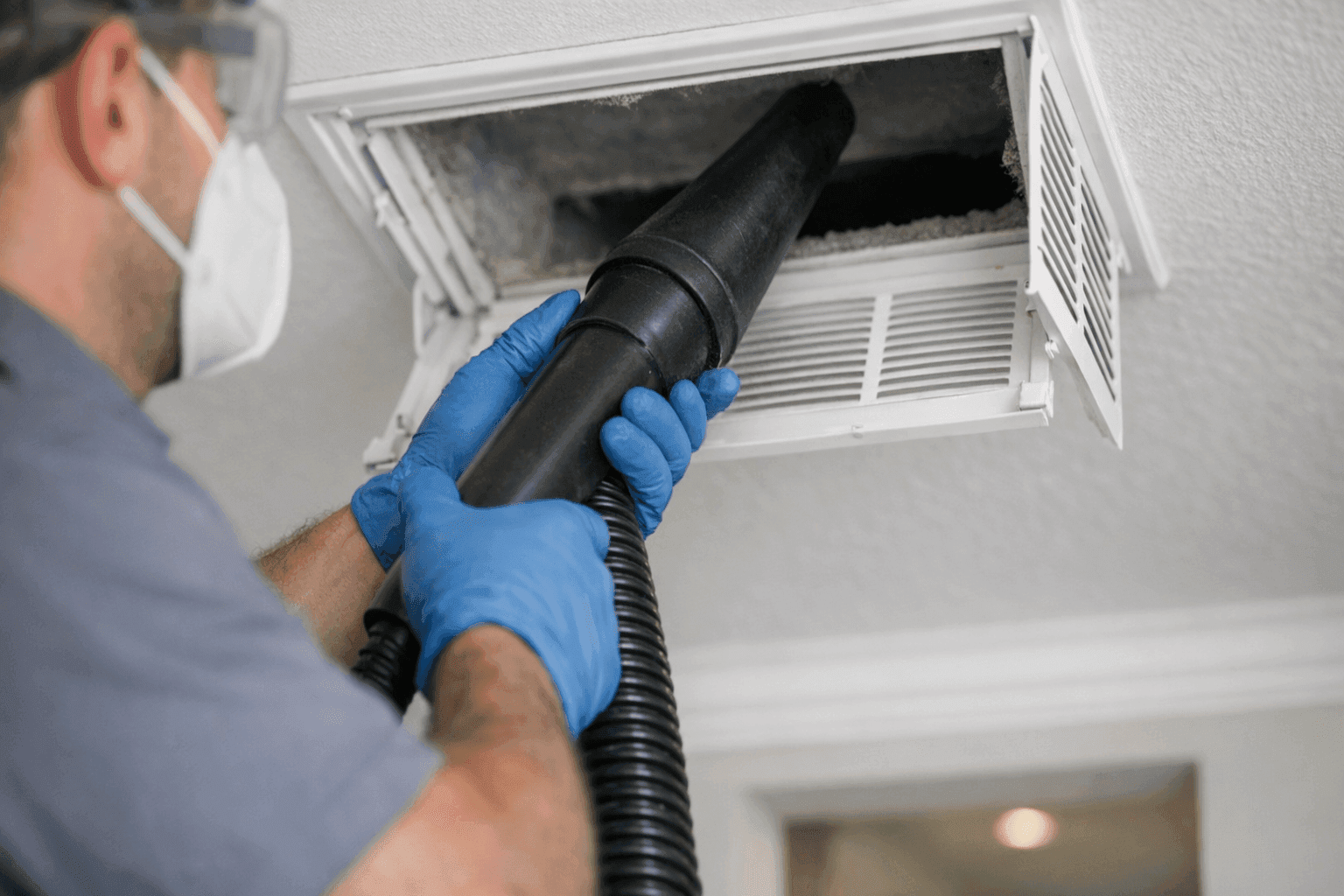
A high-efficiency vacuum—sometimes truck-mounted—is attached to your main duct. Think of it like a tornado in a tube, pulling out dust, debris, and allergens that ordinary household vacuums leave behind.
4. Brushing and Agitation
Special rotating brushes or air whips scrub the inside of each duct run. This mechanical action dislodges stubborn buildup, much like scrubbing a grimy bottle with a stiff brush.
5. Sanitizing and Deodorizing
After debris is removed, a professionally approved sanitizer is misted through the ducts. This isn’t just about fresh smells—it's about tackling bacteria, mold, and viruses safely. Only EPA-registered products are used for this step.
6. Final Inspection and System Test
Once cleaning is done, technicians check their work. They’ll inspect the ducts, confirm airflow, and ensure all access holes are securely resealed. Your system is powered up and tested for proper operation.
Health & Efficiency Benefits
Clean ducts mean more than just less dust on your shelves. Here’s what you really gain:
- Better Indoor Air Quality: Fewer allergens and irritants swirling through your rooms.
- Improved System Efficiency: Like clearing a blocked straw, your HVAC system breathes easier, using less energy.
- Extended Equipment Life: Less strain means fewer breakdowns and a longer lifespan for your cooling and heating gear.
- Fresher Smelling Spaces: Lingering odors from smoke, pets, or mildew are reduced.
The National Air Duct Cleaners Association (NADCA) outlines that duct cleaning, when performed to their standards, supports not just air quality but also energy savings and system longevity.
Industry Standards & Certifications
Not all duct cleaning is created equal. Look for companies certified by NADCA. Professionals should follow ANSI-approved standards for cleanliness and safety, including proper containment and disposal of contaminants.
Technicians must be trained to identify hazards—like asbestos or mold—and work according to OSHA and EPA guidelines. Brama Cooling’s team meets these requirements at every step.
What to Expect: Before & After
You might be surprised by what’s lurking behind your registers. Before cleaning, expect to see dust, cobwebs, and even visible mold or debris. Afterward, your ducts should look clear, with no visible dust accumulations, and airflow should feel noticeably stronger.
It’s not just about appearances. Cleaner ducts mean every breath you take indoors is fresher.
Signs Your Ducts Need Attention
Not sure if it’s time to schedule a cleaning? Watch for these clues:
- Dust bursting from vents when your system starts up
- Persistent odors, even after cleaning your home
- Unexplained spikes in allergy symptoms
- Poor airflow in some rooms
- Recent home renovations or pest infestations
If you recognize these signs, it’s time to call in a professional.
DIY vs. Professional: Why Call Brama Cooling?
It’s tempting to tackle duct cleaning yourself, but home vacuums and brushes just can’t reach deep enough. Professional equipment creates the suction and agitation needed for a thorough job—without damaging your ducts or spreading dust through your home.
Safety is key, too. Accessing ductwork means dealing with sharp metal edges, electrical connections, and sometimes, hazardous materials. Leave it to those with the right tools and training.
How Long Does It Take?
Most residential duct cleanings take 3–5 hours, depending on system size and contamination level. Commercial buildings may need more time, especially if multiple rooftop units or extensive ductwork are involved.
Preparation isn’t complex—just clear access to vents and the HVAC unit. Your Brama Cooling team will handle the rest.
Is It Disruptive?
Expect some noise from the vacuum and brush systems. However, skilled technicians work efficiently—covering floors, keeping doors closed, and minimizing interruptions. Most customers can stay in their home or office throughout the process.
Cost Factors
Duct cleaning costs depend on the size and layout of your system, level of contamination, and any special concerns like mold. Be wary of unusually low prices, which may indicate shortcuts or hidden fees.
Look for detailed, transparent quotes. At Brama Cooling, we’re always happy to explain exactly what’s included in your service.
When It’s an Emergency
Sometimes, duct cleaning can’t wait:
- After a fire, flood, or water leak
- If you discover mold or signs of vermin
- When severe allergies or respiratory issues suddenly spike
In these cases, prompt, professional cleaning is critical for safety and comfort. Brama Cooling offers 24-hour emergency cooling services for urgent indoor air quality needs.
Maintenance Tips After Cleaning
Keep your ducts cleaner, longer:
- Change HVAC filters every 1–3 months, or as recommended.
- Schedule regular HVAC maintenance to catch issues early.
- Keep vents and registers clean and unobstructed.
- Control indoor humidity to prevent mold growth—ask about dehumidifiers and air scrubbers.
Common Mistakes to Avoid
- Skipping regular filter changes
- Trusting cut-rate duct cleaning deals
- Ignoring signs of moisture or mold
- Attempting DIY with inadequate tools
Professional cleaning is an investment in your home’s health, not just a quick fix.
Seasonal Considerations
Spring and fall are ideal times for duct cleaning—before heavy cooling or heating use begins. Allergy sufferers may benefit from a pre-season clean to reduce triggers.
Frequently Asked Questions
How often should ducts be cleaned?
NADCA recommends every 3–5 years for most homes, or more often for allergy sufferers, pet owners, or after renovations.
Will cleaning ducts help with allergies?
Yes. Removing dust, pollen, and mold can ease symptoms for many people.
Is duct cleaning messy?
Not when done by professionals. Your home is protected, and all debris is contained and removed.
Does it improve energy efficiency?
Clean ducts reduce strain on your HVAC system, which can lower energy bills and extend equipment life.
Local Expertise Matters
Whether you’re searching for “Thermostats near you” or a reliable team for your next duct cleaning, Brama Cooling is here to help. Our certified specialists handle every job with care, treating your home or business like their own.
Call Brama Cooling now — or reach us anytime at 888-840-5035 .