How Air Scrubbers Work: Cleaner Air for Every Room
Is the air in your home or business really as clean as it could be? Many people are surprised to learn that indoor air can hold more pollen, dust, and microscopic particles than the air outside. If you’ve ever noticed musty odors, itchy eyes, or dust collecting faster than you can clean, you’re not alone.
At Brama Cooling, we understand how quickly indoor air quality can slip when ventilation or filtration isn’t enough. That’s where air scrubbers come in—a powerful solution for cleaner, fresher air. Let’s break down how these devices work, why they matter, and who benefits the most.
What Are Air Scrubbers? 🌀
Think of air scrubbers as the “laundry machines” for your air. Instead of washing clothes, they wash the air itself, removing invisible invaders like dust, allergens, bacteria, and odors. While air filters act like nets catching debris, air scrubbers go further—they actively clean the air and surfaces in your environment.
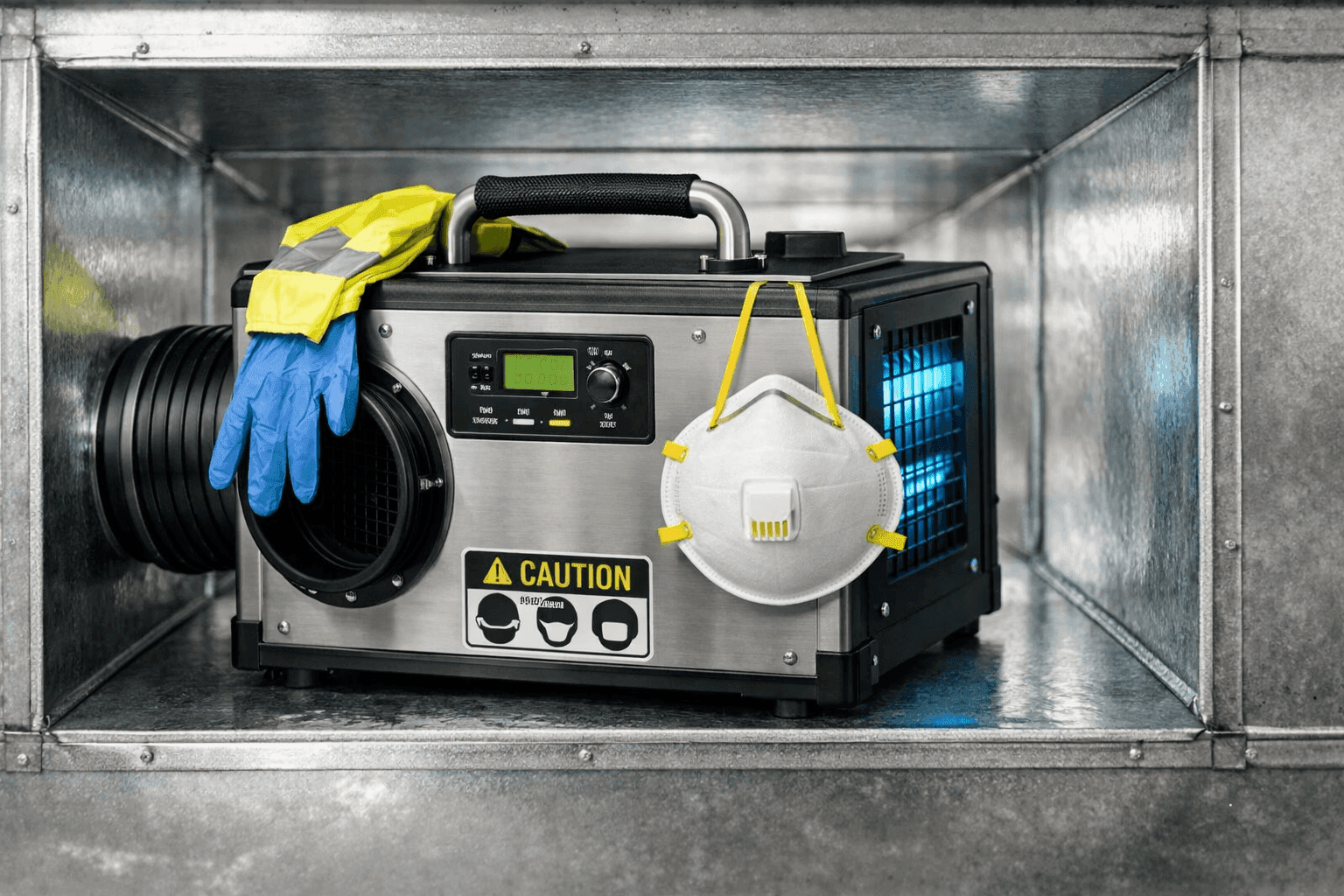
Modern air scrubbers are devices that install directly into your HVAC system or operate as portable units. They use advanced technology—often a mix of filters, UV lights, and catalytic processes—to break down and capture pollutants as air flows through your ducts.
Certified air scrubbers meet standards set by groups like the Environmental Protection Agency (EPA) and ASHRAE (American Society of Heating, Refrigerating and Air-Conditioning Engineers), meaning they’re tested for safety and effectiveness.
How Do Air Scrubbers Clean Air?
Picture walking into a sunbeam and seeing dust floating in the light. Those tiny particles are just the tip of the iceberg. Air scrubbers tackle what you can’t see.
Here’s how the process works:
- Pre-Filtration: Large particles like dust and hair are trapped first, similar to a regular air filter.
- Active Purification: Many scrubbers use UV-C light or specialized catalysts to break apart bacteria, viruses, and volatile organic compounds (VOCs). It’s like molecular-level spring cleaning.
- Ionization: Some models send out charged particles that attach to pollutants, causing them to clump together. These larger particles are easier to capture and remove.
- Odor Reduction: Chemical reactions neutralize foul smells from pets, cooking, or smoke.
Unlike standard HVAC filters, air scrubbers don’t just wait for pollutants to pass through—they work proactively, breaking down contaminants both in the air and on surfaces.
Air Scrubbers vs. Filters: What’s the Difference?
It’s easy to mix up air scrubbers and filters, but they’re not the same. Here’s a quick comparison:
- Air Filters: Passive. They capture particles as air moves through them. Great for dust and pollen.
- Air Scrubbers: Active. They use light, ions, or special tech to neutralize germs, odors, and chemicals—often reaching surfaces, not just air.
The best choice? Often, it’s a combination: a quality filter for big debris, plus an air scrubber for invisible threats.
Top Benefits of Air Scrubbers
Why are so many homeowners and businesses turning to air scrubbers? The benefits stack up quickly:
- Healthier Air: Reduces allergens, mold spores, and bacteria—good news for anyone with asthma or allergies.
- Odor Control: Neutralizes persistent smells from cooking, pets, or smoke.
- Less Dust: Cuts back on particles that settle on surfaces, meaning less cleaning.
- Surface Cleaning: Some technologies help reduce germs on countertops and furniture.
- Certified Performance: Look for units tested to meet industry standards, so you know you’re getting proven results.
Who Should Consider an Air Scrubber?
Air scrubbers aren’t just for hospitals or labs—they’re ideal anywhere clean air matters. Here’s who might want to take a closer look:
- Homes with Kids or Pets: Little ones and furry friends stir up dust and dander.
- Asthma or Allergy Sufferers: Cleaner air means fewer flare-ups.
- Businesses & Offices: Protect employees and customers by improving air quality.
- Renovation or Construction Sites: Air scrubbers can help control dust, paint fumes, and lingering odors.
- Restaurants, Schools, Gyms: Any place where people gather benefits from healthier air.
Curious if an air scrubber fits your space? Brama Cooling’s air-scrubbers service can help you choose the right solution.
Quick Safety Checklist Before Installing
Before adding an air scrubber to your HVAC system, keep these safety tips in mind:
- Check Compatibility: Not all scrubbers fit every HVAC setup. Ask a qualified technician.
- Certified Devices: Only install units certified by recognized organizations (like EPA, UL, or ASHRAE).
- Follow Local Codes: Some regions require permits or inspections—always comply with building and electrical regulations.
- Electrical Safety: Installation involves wiring; let a professional handle it.
DIY or Call a Pro?
Installing an air scrubber is not a weekend DIY project for most folks. It connects directly to your ductwork and electrical system. One wrong move can disrupt your cooling or even create a safety hazard.
Pros have the training to:
- Size the unit for your space
- Ensure compatibility with your existing HVAC
- Handle wiring safely
- Test the system for leaks or issues
Leave this one to the licensed cooling specialists at Brama Cooling.
What Brama Cooling Pros Do on Arrival
When you schedule an installation or maintenance visit, here’s what to expect:
- Assessment: We examine your HVAC system, layout, and air quality needs.
- Recommendation: Based on your space, we suggest the best type of air scrubber.
- Installation: Our team connects the device, tests airflow, and checks for code compliance.
- Education: We show you how the system works and answer any questions.
Our approach is always aligned with the latest industry standards and manufacturer guidelines.
Maintenance Tips for Air Scrubbers
Like any piece of equipment, air scrubbers need a little TLC:
- Change Pre-Filters: Swap out filters every 3–6 months, or as recommended.
- Inspect UV Bulbs: UV-C lamps lose effectiveness over time—replace them as directed by the manufacturer.
- Annual Checkups: Schedule yearly maintenance with Brama Cooling to ensure everything runs smoothly.
- Watch for Warning Lights: Many units alert you when service is needed.
Regular care keeps your air scrubber working efficiently for years.
Costs and Time Factors
Wondering what it takes to install an air scrubber? Here’s the breakdown:
- Installation Time: Most jobs take 1–2 hours for a pro.
- Cost: Varies by model, size, and the complexity of your HVAC system. Expect to invest a bit more than for a basic filter, but the long-term benefits add up—less illness, fewer odors, and less cleaning.
- Maintenance: Filter and bulb replacements are affordable and quick.
For a personalized quote, our indoor-air-quality team can walk you through options.
When It’s an Emergency
If you’ve had a flood, fire, or major renovation, air quality can take a nosedive. In these cases, air scrubbers can quickly remove smoke, odors, and harmful particulates. Brama Cooling offers 24-hour emergency service to restore your environment fast, keeping your space safe and comfortable.
Common Mistakes to Avoid
A few things can trip up even the most careful property owners:
- Choosing the Wrong Size: A scrubber that’s too small can’t keep up; too large wastes energy.
- Ignoring Maintenance: Dirty filters or expired bulbs mean poor performance.
- Skipping Professional Installation: DIY shortcuts can void warranties and impact safety.
- Neglecting Other IAQ Steps: Air scrubbers are powerful, but they work best as part of a broader indoor air quality plan that includes regular duct cleaning, filter changes, and humidity control.
Signs Your Air Scrubber Needs Attention
Keep your eyes (and nose) open for these red flags:
- Increase in dust buildup
- Persistent odors
- Allergy symptoms returning
- Warning lights on the scrubber
When in doubt, schedule a checkup with Brama Cooling.
Timeline & Disruption: What to Expect
Most air scrubber installs are done in under half a day. Our team works around your schedule to minimize disruption—no need to move out or rearrange your life. Once installed, the benefits start right away.
Choosing the Right System for Your Space
Not sure which device fits your needs? Consider:
- Room Size: Bigger spaces need higher-capacity scrubbers.
- Type of Pollutants: Allergies? Odors? Mold? Different models target different issues.
- Existing HVAC System: Compatibility is key.
A professional assessment ensures you get the most from your investment. For those in the region, our Indoor Air Quality page has more on how we tailor solutions for your needs.
FAQs About Air Scrubbers
Are air scrubbers safe?
Yes—when installed and maintained correctly, they’re safe for you, your family, pets, and electronics. Always choose certified units.
Do I still need filters with an air scrubber?
Absolutely. Air scrubbers complement, not replace, your regular HVAC filters.
Can I use a portable air scrubber?
For single rooms or temporary needs, portable units work well. For whole-home or business solutions, integrated units are more effective.
Will an air scrubber remove viruses and bacteria?
Many certified models are proven to reduce certain viruses and bacteria. Look for third-party testing and certifications for peace of mind.
Practical Tips for Healthier Air
- Run your HVAC fan regularly to circulate air through the scrubber.
- Keep windows and doors closed during high pollen seasons.
- Change filters and schedule regular HVAC maintenance.
- Monitor humidity—too much or too little can affect air quality.
The Bottom Line: Is an Air Scrubber Worth It?
For many homes and businesses, the answer is yes. Air scrubbers offer a powerful way to tackle invisible threats, reduce odors, and help everyone breathe easier. Combined with proper maintenance and air filtration, they’re a smart investment in health and comfort.
Ready to learn more or schedule an installation? Call Brama Cooling now — or reach us anytime at 888-840-5035 .