How to Maximize the Effectiveness of Your Air Scrubber
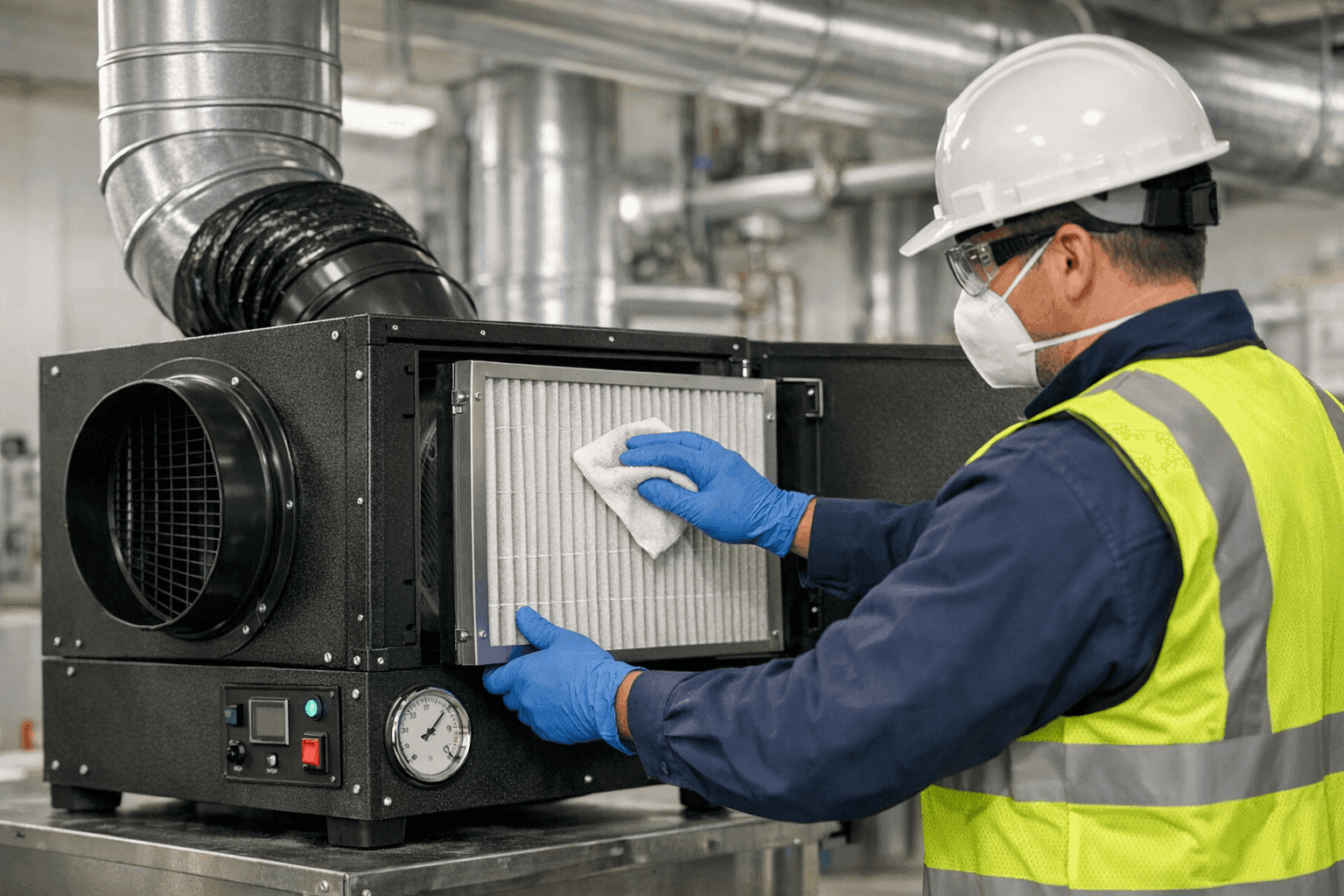
Breathe easy. That’s not just wishful thinking—it’s possible, with the right technology and a little know-how. Air scrubbers are like invisible custodians for your home or business, scrubbing the air clean while you go about your day. But even the best air scrubber needs a helping hand to work its magic.
At Brama Cooling, we help families and businesses get the most out of every breath. If you want your air scrubber to perform at its best, you’re in the right place. Here’s what you need to know.
How Air Scrubbers Work
Imagine your air is a busy highway. Dust, pollen, and germs are the cars racing by. An air scrubber is the traffic cop, stopping the troublemakers before they cause a pileup. But how does it really work?
Air scrubbers use a mix of filters, UV light, and sometimes ionization to pull harmful particles out of the air. As your cooling or HVAC system runs, indoor air passes through the scrubber, where contaminants are trapped or neutralized. This process is especially effective for reducing allergens, odors, and even some germs. The result? Cleaner, fresher air, and fewer sneezes.
ASHRAE (American Society of Heating, Refrigerating and Air-Conditioning Engineers) emphasizes that regular maintenance and correct installation are key for any air cleaning device. That’s why Brama Cooling’s certified technicians always follow manufacturer guidelines and local codes for every install.
Key Maintenance Tasks
Your air scrubber is hardworking, but it’s not invincible. Think of it like a sponge—eventually, it gets full. Here’s how to keep it in top shape:
- Change Filters Regularly. Most manufacturers recommend checking your scrubber’s filter every 3–6 months. If you have pets, allergies, or construction nearby, check more often.
- Clean Surfaces. Wipe down the exterior and accessible parts during routine HVAC maintenance.
- Inspect for Damage. Look for loose wires, cracked housings, or moisture where it shouldn’t be.
- Check UV Bulbs (if applicable). UV bulbs lose strength over time. Replace them every 12–24 months, depending on the model.
- Test Airflow. If your system sounds different or airflow drops, it’s time for a checkup.
A clogged filter or blown bulb can turn your air scrubber into a fancy paperweight. Regular upkeep keeps everything running smoothly.
Placement and Operation Tips
Where you put your air scrubber matters. Picture a lighthouse: it only works if it’s placed where ships can see its beam.
- Central Location. Install air scrubbers in the main supply or return duct of your HVAC system for whole-house coverage.
- Avoid Blockages. Make sure vents and ducts aren’t blocked by furniture or clutter.
- Keep Doors and Windows Closed. While airing out is great, constant open windows let in new contaminants and make your scrubber work harder.
- Match to System Size. An undersized scrubber won’t keep up; oversized can waste energy. Work with a certified technician to get the perfect fit.
Running your HVAC fan continuously can help distribute clean air—especially during allergy season or wildfire events.
When to Upgrade
Every tool has a lifespan. If your air feels musty, or if allergies keep flaring up, your air scrubber might be past its prime.
Here are signs it’s time to consider an upgrade:
- Frequent Repairs. If you’re calling for service more than once a year, it’s probably not worth patching up.
- Outdated Technology. Newer air scrubbers often capture smaller particles and use less energy.
- Changes in Building Use. Renovations, new pets, or a home office? You may need more power.
- Manufacturer Recommendations. Most units last 5–10 years. Check your manual for guidance.
Our certified techs at Brama Cooling can assess your system and suggest next steps—always based on manufacturer advice and your specific needs.
Quick Safety Checklist 🛑
Safety is non-negotiable. Before you touch any equipment:
- Turn off power at the breaker.
- Wear gloves and a mask.
- Use only approved replacement filters and bulbs.
- Don’t bypass safety switches or modify wiring.
- If there’s water where it shouldn’t be, call a professional.
For reference, the National Air Duct Cleaners Association (NADCA) and local building codes offer additional safety guidelines.
DIY vs. Call a Pro
Changing a filter? Easy enough. Wiring a new UV light or troubleshooting airflow? That’s trickier.
Do it yourself:
- Filter changes (if accessible)
- Wiping exterior surfaces
- Checking for visible dust or debris
Call a pro:
- Electrical or UV bulb replacement
- Diagnosing airflow issues
- Deep cleaning inside ductwork
- Any water or mold concerns
Certified HVAC technicians—like those at Brama Cooling—have the training, tools, and safety know-how to keep your system running without risk.
What Pros Do On Arrival
Ever wonder what happens when you book a service call? Here’s what you can expect from a professional technician:
- Inspect all air scrubber components for wear or damage
- Test airflow through the system
- Check electrical connections and safety switches
- Replace filters, bulbs, or other consumables
- Clean and vacuum around the unit
- Review system operation with you and answer your questions
We follow EPA and manufacturer recommendations on cleaning products and procedures.
Prevention & Maintenance
A stitch in time saves nine. Regular maintenance keeps your air scrubber from turning into a dust bunny hotel.
- Set calendar reminders for filter and bulb checks.
- Schedule annual HVAC and air scrubbers inspections.
- Keep your home or business tidy—less dust means less work for your air scrubber.
- Look for deals on multipacks of approved filters.
Consistent care pays off with cleaner air and fewer headaches.
Costs & Time Factors
Budget matters. Here’s what to expect:
- Filter changes: $30–$100, depending on model and filter type
- UV bulbs: $50–$150, replaced every 1–2 years
- Professional maintenance: Usually completed in under an hour
- Repairs or upgrades: Costs vary by system; investing in reliable equipment saves money long-term
Ask about bundled HVAC and indoor air quality services for added convenience.
When It’s an Emergency
Some problems can’t wait. Call for emergency service if:
- Your air smells burnt or chemical-like
- You see smoke, sparks, or water leaks
- Allergies worsen suddenly and you suspect system failure
- The unit won’t turn on at all
Brama Cooling offers 24-hour emergency service for peace of mind, day or night.
Seasonal Considerations 🍂
Air scrubbers work year-round, but some seasons are tougher than others.
- Spring/Summer: Pollen is high, so check filters every month.
- Fall: Falling leaves and dust can clog intakes—clean and clear vents regularly.
- Winter: Furnace use means more airborne particles; schedule a tune-up before the cold hits.
Adjust your maintenance calendar to fit your region and lifestyle.
Common Mistakes
Don’t let these simple slip-ups undo your hard work:
- Forgetting to replace filters or bulbs on schedule
- Using non-approved parts or cheap filters
- Blocking supply or return vents with furniture
- Ignoring warning lights or odd noises
Treat your air scrubber like a car—regular attention keeps it running smooth.
Signs of Trouble
How do you know something’s wrong? Watch for:
- Increased dust on surfaces
- Persistent odors
- Allergy symptoms worsening indoors
- System running louder or longer than usual
- Warning or error lights on the unit
Address issues early to avoid bigger problems down the road.
Timeline & Disruption
Most air scrubber maintenance is quick and non-intrusive. Filter and bulb changes take just minutes when done by a pro. Deep cleaning or upgrades may require a brief system shutdown, but your comfort is always our priority.
Materials & Equipment
Stick with manufacturer-approved filters and bulbs. Using off-brand or incorrect parts can void warranties and reduce effectiveness.
Keep a spare filter or bulb on hand—like a spare tire, it’s peace of mind for your system.
FAQ
How often should I check my air scrubber?
Every 3–6 months for filters, yearly for bulbs, or as your manual suggests.
Can I use any filter?
No. Always use approved filters for your model.
Will an air scrubber remove all germs and viruses?
No system removes everything, but a well-maintained air scrubber significantly reduces airborne contaminants.
Can I install an air scrubber myself?
Some standalone units are DIY-friendly, but duct-mounted models should be installed by a certified technician.
Making the Most of Your Investment
Getting the most out of your air scrubber is a partnership between you and your cooling contractor. With proper care, your system will deliver cleaner, healthier air for years. If you’re in the area and want to learn more about Indoor Air Quality, Brama Cooling is here to help—serving both homes and businesses with pride.
For those seeking cooling services in Smyrna, our team is always ready to answer your questions and provide support.
Call Brama Cooling now — or reach us anytime at 888-840-5035 .