How to Prevent Mold Growth in Your HVAC System
Mold is sneaky. It hides in the shadows of your vents and ductwork, spreading fast and quietly until suddenly—your air smells musty, and your allergies flare up. You’re not alone. Homeowners and business leaders across the country face the same battle.
At Brama Cooling, we know how quickly a cooling system can become a breeding ground for mold. Sweat, condensation, dust—when they mix inside your HVAC, it’s like the perfect storm for unwanted growth. But there’s good news: with the right steps, you can keep mold at bay and breathe cleaner, safer air.
Why Mold Grows in HVAC
Ever left a window cracked during a summer rainstorm? The damp air seeps in and lingers—just enough for trouble to start. Your HVAC system, especially if it’s not well maintained, can do the same.
- Moisture: Mold needs water to thrive. Condensation forms inside ducts, coils, and drip pans, making perfect puddles for spores.
- Dust & Debris: HVAC systems collect dust. That dust feeds mold, especially when it sticks to moist surfaces.
- Stagnant Air: Poor ventilation means some parts of your system never dry out. Stale, trapped air leads to hidden colonies.
According to the CDC, indoor mold is a health risk—especially for kids, people with asthma, and those with compromised immune systems. The EPA warns that even small amounts can trigger breathing problems or allergies. That’s why it matters.
High-Risk Areas for Mold
Not all parts of your cooling system are created equal. Some spots are like basements—dark, damp, and rarely visited.
- Ductwork: Long runs of duct are easy to ignore, but dust and moisture collect here.
- Evaporator Coils: These get wet as they cool your air, then warm up and dry out, creating a hotbed for spores.
- Drip Pans: If these don’t drain properly, stagnant water lingers.
- Humidifiers & Dehumidifiers: Ironically, these can harbor mold if not cleaned regularly.
- Filters: Dirty air filters become a buffet for mold.
Routine checks and cleaning prevent small issues from growing into big ones.
Prevention Strategies
Think of prevention as keeping the rain outside your house—simple steps, done regularly, make all the difference.
Humidity Control 🌡️
- Keep humidity below 60%—ideally between 30% and 50%. Use a hygrometer to monitor levels.
- Install dehumidifiers in damp spaces.
- Upgrade thermostats to models that help you control indoor climate more precisely. (Search for Thermostats near you to find the best fit.)
Regular Duct Cleaning
- Schedule professional duct cleaning every 3–5 years—or sooner if you notice musty odors or dust buildup.
- Cleaning removes dust, mold spores, and debris—making your system less inviting for growth.
Air Flow and Ventilation
- Keep vents open and unblocked. Furniture, drapes, or closed doors can restrict airflow.
- Install or maintain whole-house fans and ventilation systems. Fresh air helps dry out damp spots.
Filter Changes
- Change filters every 1–3 months. More often if you have pets, allergies, or live in a dusty area.
- Use HEPA filters where possible. They trap smaller particles—including mold spores.
Warning Signs: How to Spot Mold Early
Mold rarely announces itself with flashing lights. Instead, it whispers:
- Musty or earthy smells, especially when the system first turns on.
- Dusty or black spots near vents, registers, or inside ductwork.
- Increased allergy symptoms—sneezing, coughing, or watery eyes.
- Visible mold in drip pans or around coils.
If you notice any of these, don’t wait. Addressing mold early is far easier than cleaning up an infestation.
DIY vs. Call a Pro
Some things you can handle on your own. Others need a trained eye.
- DIY: Changing filters, wiping down vents, checking for standing water.
- Call a pro: If you see visible mold, smell strong odors, or notice persistent humidity problems, professional help is safest.
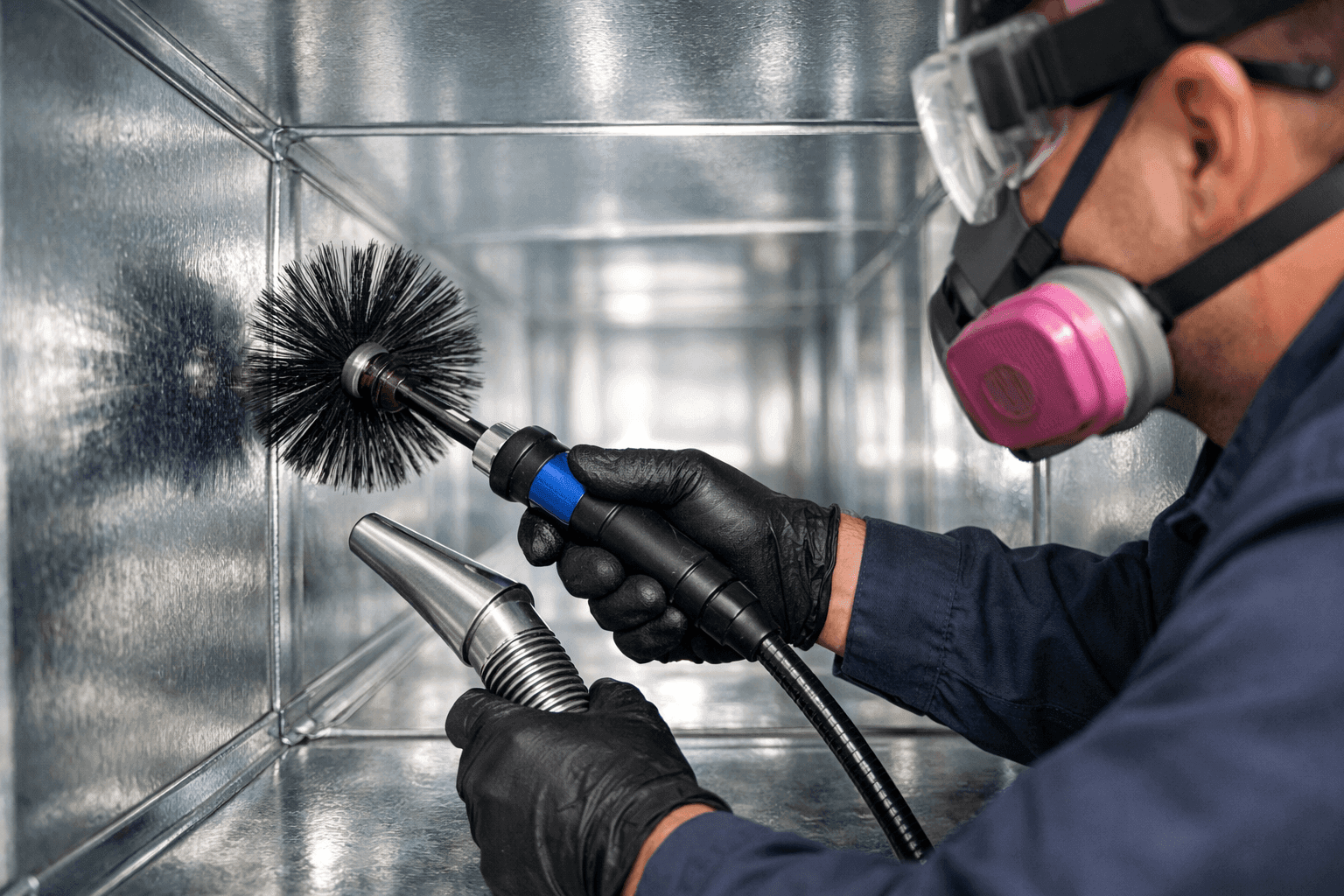
Professional technicians have the right equipment—HEPA vacuums, antimicrobial treatments, and cameras to inspect hidden spaces.
What Professionals Do On Arrival
When Brama Cooling arrives:
- We inspect your entire system—ducts, coils, pans, and filters.
- We use safe, EPA-registered cleaning agents for any affected areas.
- We measure humidity and airflow to spot hidden problems.
- We offer recommendations for ongoing maintenance—because prevention is always less disruptive (and less expensive) than remediation.
The Role of Indoor Air Quality Testing
Air isn’t just air. It’s a mix of everything that floats through your home or office. Mold spores are tiny, invisible, and everywhere. But with Indoor Air Quality testing, you’ll know exactly what’s in your air.
- Spot hidden sources: Testing pinpoints issues before they cause health problems.
- Peace of mind: Know that your space is safe for family, employees, and customers.
Quick Safety Checklist
- Check for leaks near HVAC equipment monthly.
- Change filters, and keep extra on hand.
- Clean and dry drip pans and humidifiers regularly.
- Walk through your property seasonally—look for condensation, water stains, or rusty spots near equipment.
- Ask about IAQ testing if you’ve had water damage or renovations.
Costs and Time Factors
Cleaning ducts and removing mold is an investment—one that protects your property, your air, and your health. Prices vary depending on system size, contamination level, and accessibility. Most residential cleanings take a few hours; larger commercial systems may take longer.
Remember: the cost of prevention is always less than the cost of major remediation.
When It’s an Emergency
Mold becomes urgent if:
- There’s sudden water damage or flooding.
- People in the building have severe allergic reactions.
- You see mold covering large sections of ductwork or equipment.
Don’t wait for health symptoms. Immediate attention can prevent lasting damage.
Seasonal Considerations
- Spring & Summer: High humidity and condensation mean more risk.
- Fall & Winter: Closed windows and heating cycles can trap moisture.
- Plan annual maintenance before peak cooling or heating season. It’s like tuning up your car before a road trip—better safe than sorry.
Common Mistakes to Avoid
- Ignoring musty smells—“out of sight, out of mind” never works with mold.
- Skipping filter changes or using cheap, ineffective filters.
- Closing too many vents or blocking airflow with furniture.
- Delaying duct cleaning until problems get severe.
Timeline & Disruption
A thorough cleaning and mold remediation will mean some noise and movement around your property. Most jobs can be done in a day, with minimal disruption to your daily routine. Our team works quickly and keeps you informed every step of the way.
FAQ: Your Mold Prevention Questions
How often should I clean my ducts?
Every 3–5 years is typical, but if you smell mold or see dust, schedule sooner.
Can I use bleach to clean vents?
The CDC recommends using EPA-registered cleaning solutions—bleach can damage some surfaces and won’t always solve the problem.
What’s the best filter for mold?
HEPA filters catch the smallest particles, including mold spores. Change them regularly.
Is mold in my HVAC dangerous?
It can be—especially for young children, the elderly, and those with asthma or allergies.
Final Steps: Protect Your Air, Protect Your Property
Mold doesn’t just damage your HVAC—it can harm your family, your employees, and your reputation. With the right maintenance, smart habits, and help from Brama Cooling, you can keep your indoor environment safe and fresh. For residents and businesses in the area, our cooling services in Vineland are always ready to help.
Call Brama Cooling now — or reach us anytime at 888-840-5035 .